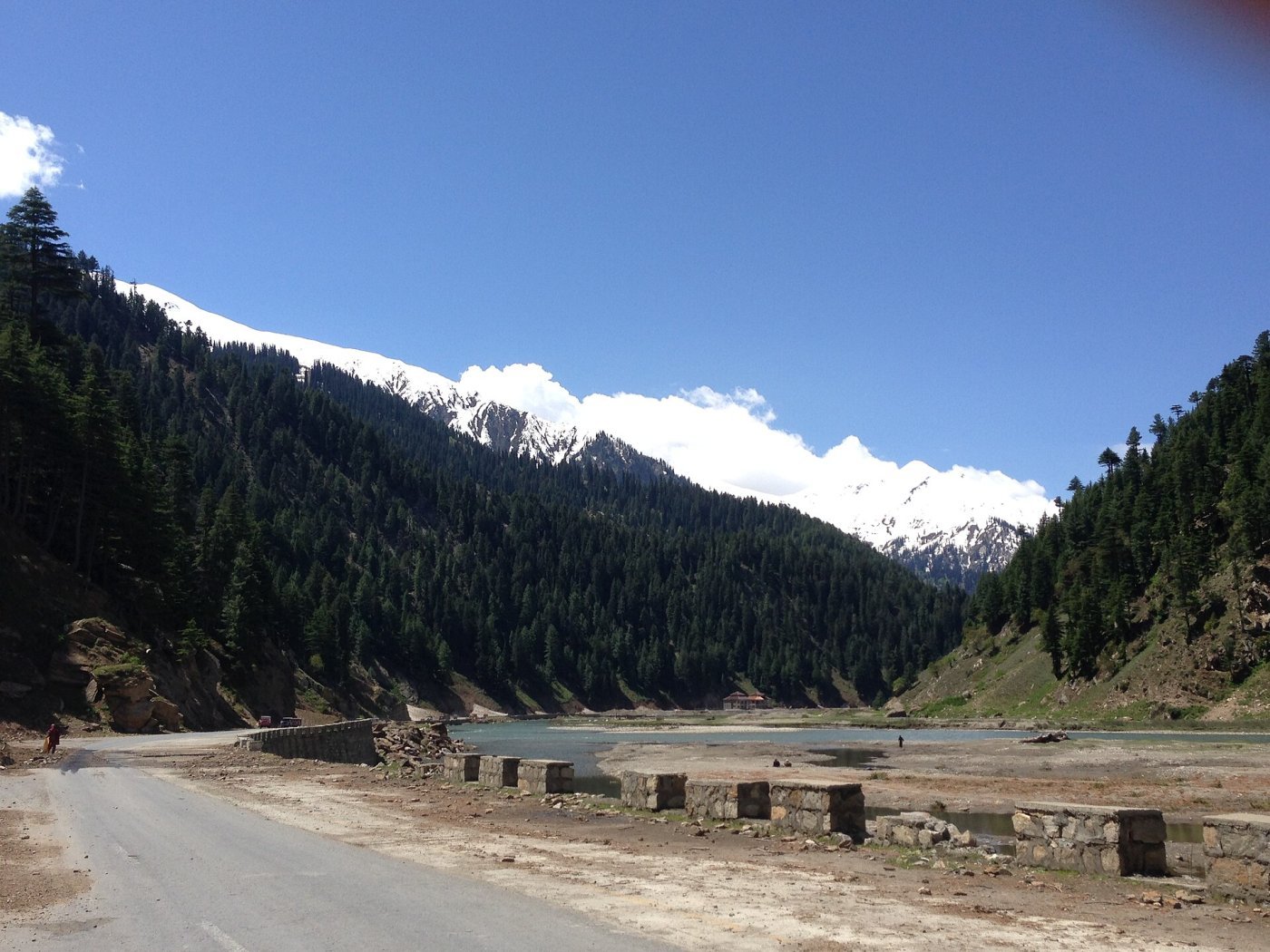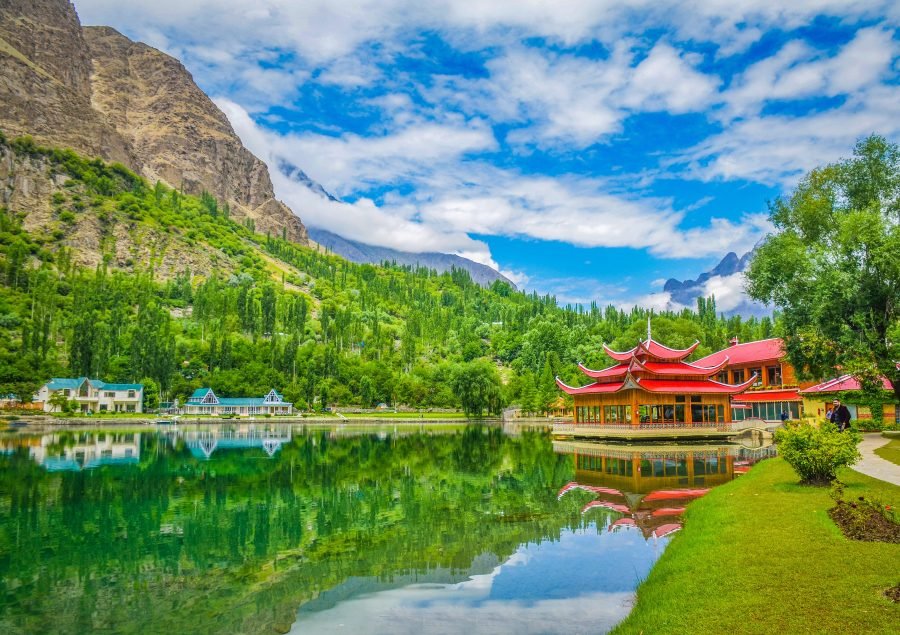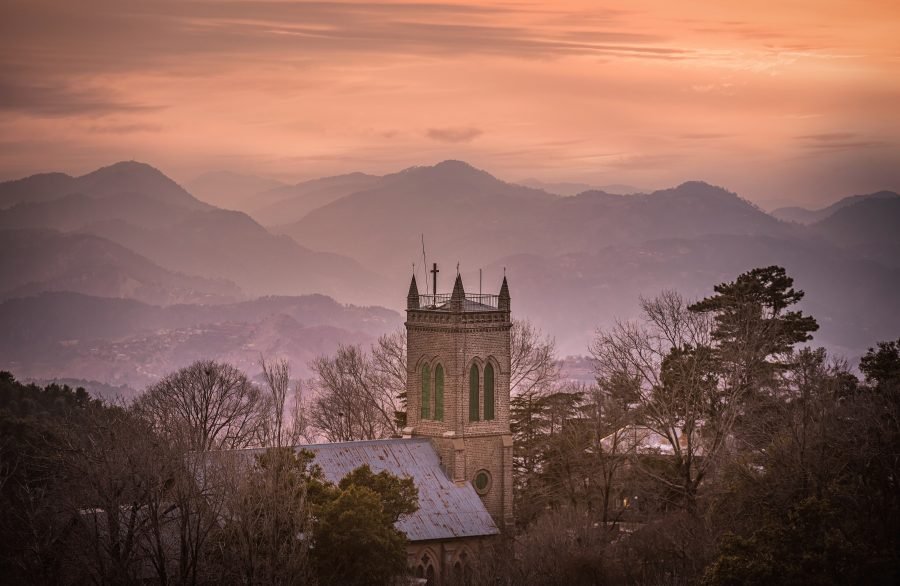
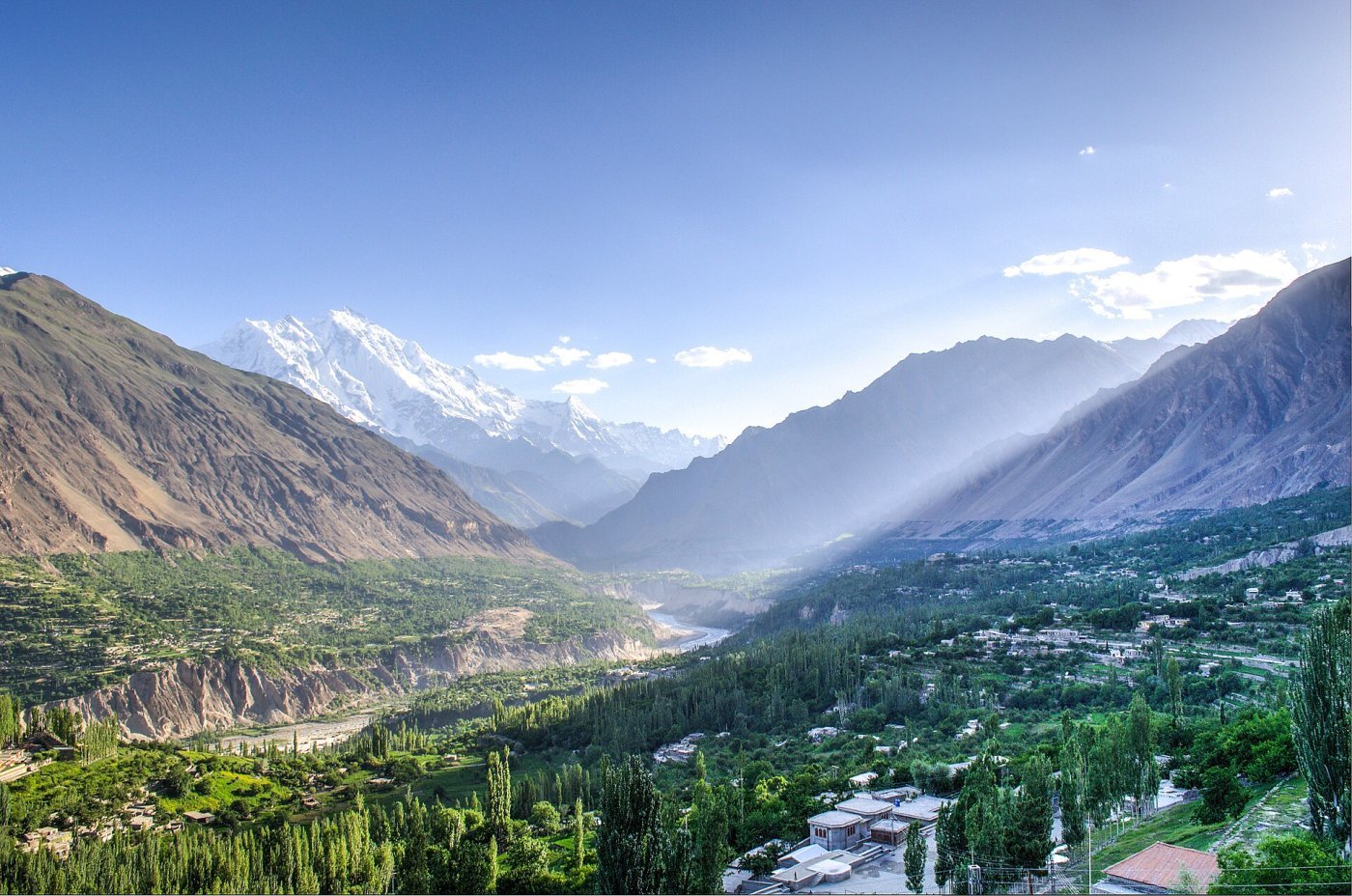
Hunza Valley is usually the first name people hear when Pakistan's north comes up in conversation, and for good reason. Framed by Rakaposhi and Ultar Sar, with terraced orchards, centuries-old forts and the turquoise waters of Attabad Lake, it is the kind of place that photographs undersell.
When to Visit
Hunza is at its greenest from April to June, when the apricot and cherry blossoms are out, and at its most colourful in late September and October, when the orchards turn gold and red for autumn. July and August are peak season with warm days and clear mountain views, while winters (December–February) are quiet, cold, and occasionally snowed in — beautiful if you don't mind the chill and limited transport.
Getting There
Most travellers reach Hunza by road along the Karakoram Highway, either via Gilgit (a short drive onward) or directly from Islamabad, which takes 18–20 hours by car or roughly 2 days with an overnight stop. Flights to Gilgit operate seasonally and weather permitting, cutting the journey significantly when they run.
What to See
- Karimabad — Hunza's main town, home to Baltit Fort and a good base for exploring.
- Attabad Lake — formed by a 2010 landslide, now a turquoise boating spot along the KKH.
- Passu Cones — the jagged peaks that appear on half of Pakistan's tourism posters.
- Khunjerab Pass — the highest paved border crossing in the world, at 4,693m, a half-day trip from Hunza.
- Altit Fort — older than Baltit Fort, with a quieter, more local feel.
Practical Tips
Hotel rates in Hunza range from around Rs 8,000 for a simple guesthouse to Rs 20,000+ for a view-facing room in peak season — book ahead in July and August. ATMs are limited outside Karimabad, so carry enough cash. Network coverage is patchy in side valleys, which, depending on your perspective, is either a downside or the entire point.